Slide # 1

Native Bigfoot

From Couchiching to Yakima, Cherokee to Apache, each First Nations tribe offers a unique glimpse into their traditions on the subject of Bigfoot. Read More

Slide # 2

Bigfoot The Legend is Real

The Crypto Crew team uncover and document evidence of the elusive legend known as Bigfoot. Read More

Slide # 3

Whispers From the Mountain

Fourmile, Kentucky, is a place where the mountains hold their breath, the fog moves like it remembers you, and the old coal camp still whispers after dark. Read More

Slide # 4

The Intervention of Stephen Conrad

Stephen Conrad has written twelve novels, sold millions of books, and perfected the art of pretending everything is fine. He is not fine. Read More

Slide # 5

Mysteries Unlimited: TENNESSEE

Mysteries Unlimited: Tennessee is a journey through haunted hollows, cursed roads, spectral legends, and unexplained vanishings. Read More

Slide # 6

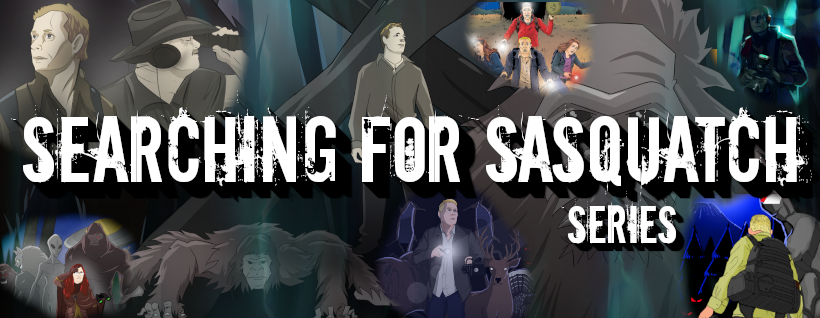
Searching for Sasquatch Series

Join Jason Kenzie as he and various guest search for evidence of Bigfoot. Read More

Slide # 7

Bigfoot In the Footsteps of Giants

In this atmospheric cryptid documentary, researchers venture deep into the Appalachian wilderness in search of signs, sounds, and sightings of Bigfoot. Read More

Slide # 8

Undisclosed Location: The Haunted Mountain

The TCC Research Team returns to a haunted Kentucky mountain property for a deeper investigation. Read More

Slide # 9

Shadow House: 40 Years of Terror

There is a house in eastern Kentucky that has a history of terrorizing its occupants. Read More

Slide # 10

Sasquatch Family Ties

The true story of how one researcher discovered a family of Sasquatch living in a remote area of the forest. Read More

Slide # 11

Paranormal Bigfoot

Paranormal Bigfoot is an investigation into a segment of the Sasquatch community that believe there is more to this enigmatic creature than a simple animal. Read More

Slide # 12

The Other Side of the Graveyard

An ominous fog obscures the ground below, and the headstones gleam pale, cloaked by the radiance of the full moon’s light. Read More

Slide # 13

The Daughters of Fourmile Ridge

For more than a century, the people of Bell County have whispered about Fourmile Ridge. They speak of little girls who vanish without a trace. Of a wasting sickness that returns every twenty-five years. Read More

Slide # 14

The Hembree House

TCC tries to unravel the mystery of a young girl’s ghost, in a Wallins Creek, Kentucky house. Read More

Slide # 15

Amadeus Creed: The Mad Butcher

La Selva was supposed to be a sanctuary. A hidden nation built on science, order, and progress. Instead, it became the domain of Amadeus Creed. Read More

Wednesday, May 29, 2024

How to become a better Onscreen Actor

How to become a better Onscreen Actor

We all want to do our best and be our best onscreen.

Becoming a better on-screen actor involves a combination of training, practice, and personal development. 

Here are some tips:

1. Take Acting Classes: Formal training provides a foundation to build upon through learned techniques, constructive feedback, and experience in scene work. We also understand that not everyone has access to these types of classes so lean on some of the other tips.  

2. Learn to Take Direction: Being able to take adjustments and notes from directors or acting coaches is critical for actors to improve. Be teachable. 

3. Create Detailed Character Backgrounds: Fleshing out a character’s full backstory beyond what’s in the script provides richer subtext and informs performance choices.

4. Analyze Scripts Thoroughly: Understanding the subtext - meaning beneath the surface of the words - is vital for connecting with a character’s motivations.

5. Develop a Unique Acting Personality: Find your acting type and then lean into it. Strive to become more charismatic, develop an artistic persona, and maybe even come up with a stage name.

6. Observe Other People and Great Actors: Deconstruct your favorite actors' habits. How do they use their bodies? What facial expressions do they use effectively? Practice these gestures and expressions. This is a great alternative for those who may not have access to acting classes. 

7. Read Scripts: Read the scripts of your favorite plays and movies. Familiarize yourself with the classics, like Shakespeare, Oscar Wilde, Anton Chekov, and Tennessee Williams.

8. Develop Audition Material: Some auditions will require you to read from a pre-selected piece or a portion of the script that will be used in the show.

9. Watch as Much as Possible and Have a Life Outside of Acting: This will help you bring more life experiences to your roles.

Remember, acting is a lifelong journey of learning and discovery rather than a destination. It takes time and patience to grow and develop as an actor. Good luck!

ZMP


More From Zombie Media


0 comment:

Post a Comment